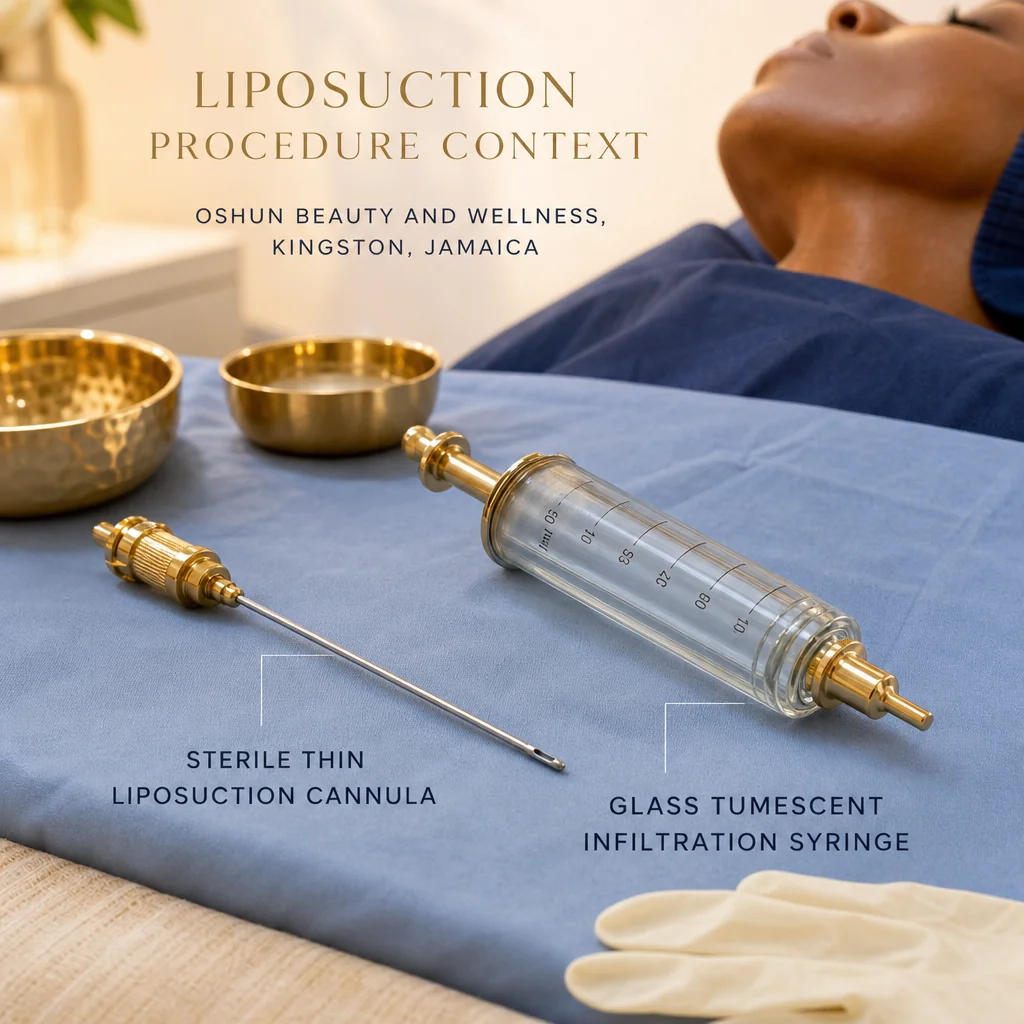
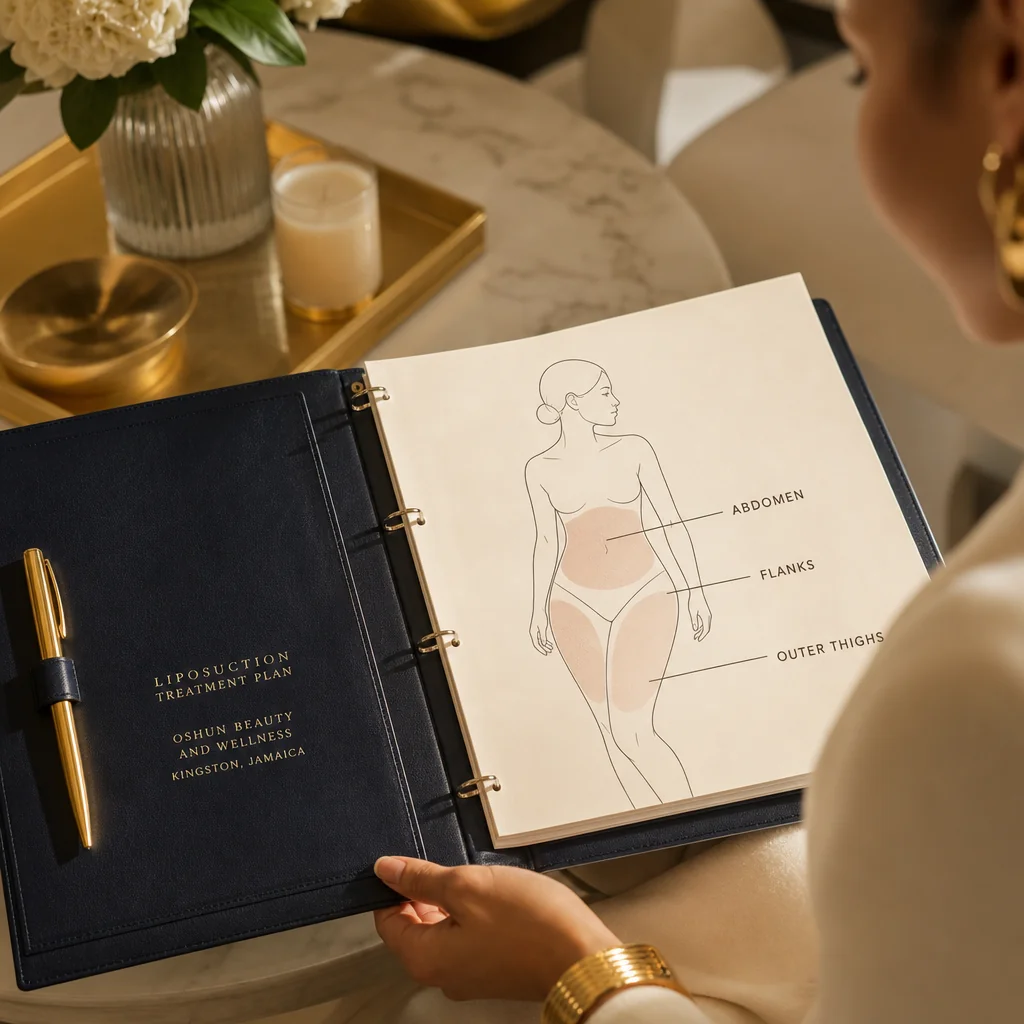
Liposuction is a surgical body-contouring procedure that removes localised fat deposits using a thin hollow cannula connected to a suction device. It is a contouring procedure, not a weight-loss treatment. For weight itself, see medical weight loss at Oshun.
- How long it's been around
- Modern tumescent liposuction has been the standard technique since the 1980s. It is one of the most-performed cosmetic surgeries worldwide with extensive long-term safety data when performed under proper conditions.
- What we treat with it
- Localised fat deposits resistant to diet and exercise — commonly the abdomen, flanks, thighs, arms, neck, and chin. Liposuction is suited to patients near a stable healthy weight who want contour refinement, not weight loss.
The honest version
Why liposuction sometimes disappoints.
Liposuction disappoints when it's treated as a weight-loss procedure, when too much is removed in one session, or when the skin can't retract over the contoured area.
Liposuction removes fat — it does not tighten skin or address loose tissue. Patients with significant skin laxity who undergo liposuction sometimes end up with a contour they like but with skin that hangs over it. The right answer for those patients is often a combined liposuction-plus-skin-excision plan, or sometimes excisional surgery (abdominoplasty, brachioplasty) alone.
The other common failure mode is using liposuction as weight loss. Patients arriving 20 kg above their goal weight expecting liposuction to bridge the gap rarely get what they hoped for — large-volume removal carries higher risk and lower aesthetic precision. The patients who consistently get great results are within 5–10% of their stable healthy weight.
At Oshun, we don't run that model. Liposuction here is physician-led from consultation through follow-up, with a written plan in your hands and a follow-up visit on the calendar before you leave.